
XSense Seed Stimulation
XSense is the outcome of Kolacı's R&D in agricultural technologies.
- What it is
- a pre-sowing treatment that stimulates the seed embryo and endosperm to support germination and root development, without genetic intervention in the seed.
- Who it is for
- growers of sunflower, grain maize, silage maize, soybean, peanut, sugar beet, wheat and cotton, producer associations and agricultural research institutions.
- Current stage
- field validation completed (2013–2014)application protocol available.
Contact us for current application and distribution options.
What it does
- Visible differentiation in germination and early growth from day 14 (field observation)
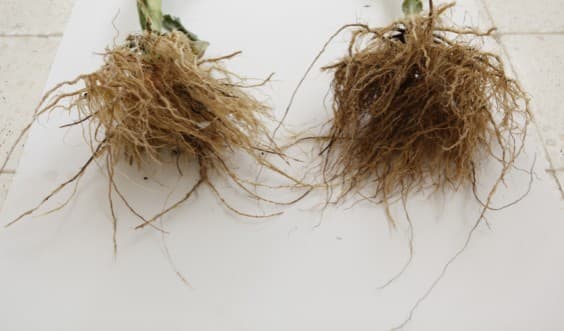
- Deeper rooting
- Larger leaf area (10–20%) and higher chlorophyll (9–21%) (company field record)
- Higher grain set and grain size, increased biomass
- Harvest 2–4 weeks earlier (company field record; varies by crop and season)
What it does not do
- No breeding, hybridisation, genetic modification or radioactive exposure
- Not seed priming, pelleting or coating
- No genetic difference was found in the samples examined: three ISSR DNA marker analyses dated 1 November 2013, carried out by a faculty member of the Department of Field Crops, Faculty of Agriculture, Çukurova University, reported that no genetic difference was detected, within the method used, between treated and control plants in the sunflower, maize and soybean samples examined. The results are limited to the samples examined and the analysis method
- No chemical substance is used at the seed-stimulation stage.
- Does not remove the effect of adverse weather; results vary by seed, soil and season
Controlled field comparisons
Stimulated and unstimulated seed were sown side by side with soil, irrigation and sun exposure kept the same. The trials were carried out under the supervision of Çukurova University on farmers' fields affiliated to the Adana Seyhan Chamber of Agriculture. The company's field records give 366 ha / 52 areas for sunflower, 280 ha / 27 for maize and 110 ha / 17 for soybean, a total of 756 hectares and 96 application areas; no breakdown by season is given in the records. The 2013 Chamber letters refer to a demonstration programme of approximately 3,000 hectares; the two records are presented separately, each with its own source. The 2014 season results appear in the Chamber report table below with their own scope and date.
Institutional trials and observations
Çukurova University Faculty of Agriculture — field supervision (Department of Field Crops academics) and faculty-member-signed DNA analysis
Date: 2013–2014; DNA reports 1 Nov 2013
- Crop
- Sunflower, maize, soybean
- Result
- Growth, biomass and chlorophyll observations; ISSR DNA analysis detected no genetic difference within the samples examined and the method used
Çukurova field programme (under ÇÜ supervision) — Chamber of Agriculture letters
Date: 2013; 2014
- Crop
- Sunflower
- Result
- 2013 season: two sunflower fields documented in the Chamber letter, 135→290 kg/da (both areas hit by hail) and 210→290 kg/da. Dry 2014 season: 170→240 kg/da on the rain-fed field documented in the Chamber report
Adana Seyhan Chamber of Agriculture — observation report, ref. 29668203-2014/274
Date: 14.11.2014
- Crop
- Maize, peanut, sunflower, soybean, cotton
- Result
- See table below
Eastern Mediterranean Agricultural Research Institute — trial field
Date: 2014
- Crop
- Grain maize, silage maize
- Result
- 5 doses + control; difference not statistically significant in the institute report (grain: control 1,402, highest 1,524 kg/da)
Trakya Agricultural Research Institute — trial field
Date: 2014
- Crop
- Oil sunflower
- Result
- 5 doses + control; control 285.2, highest 324.8 kg/da; difference not significant at 5%
Sugar Institute — trial field
Date: 2014
- Crop
- Sugar beet
- Result
- Yield and quality measurements as raw tables; institute's result assessment not available, no percentage given
Chamber of Agriculture observation report, 2014: control and XSense yields on farmers' fields
Source: Adana Seyhan Chamber of Agriculture. Farmer names appear in the report; only village names are shown here. These results belong to the 2014 season and the fields stated; they are not a guarantee for every application today.
Grain maize
Gölbaşı
1,510 kg/da (120 da)
Control
1,660 kg/da (240 da)
XSense
- Change
- +10%
- Note
- In a record year with a regional average of 1,550 kg/da
Peanut
Çakaldere
300 kg/da (25 da)
Control
360 kg/da (100 da)
XSense
- Change
- +20%
- Note
- All stimulated kernels A-grade; half of control B-grade
Sunflower
Çakaldere, rain-fed
170 kg/da (25 da)
Control
240 kg/da (90 da)
XSense
- Change
- +41%
- Note
- No rainfall during the season
Soybean (second crop)
Çaputçu
300 kg/da (100 ha)
Control
345 kg/da (200 ha)
XSense
- Change
- +15%
- Note
- Second crop after the wheat harvest
Soybean
Topraklı, waterlogged
230–250 kg/da (neighbouring fields)
Control
300 kg/da (45 da)
XSense
- Change
- +20–30%
- Note
- Unlevelled, poor soil
Cotton
Topraklı
500 kg/da
Control
550 kg/da (120 da)
XSense
- Change
- +10%
- Note
- Single farmer; wider programme not assessable due to late sowing
Wheat
Çaputçu
—
Control
700 kg/da (1,800 da)
XSense
- Change
- Inconclusive
- Note
- Region 300 kg/da; manure and rested-land effects not separable, Chamber withheld judgement
Sample measurements (single-plant comparisons)
Except for the biomass row, the values are comparisons of single plants or single measurement spots, not statistical averages representing whole plots. The biomass row is given as an average in the company field document; sample size is not stated.
Sunflower
Head diameter
20 cm
Control
33 cm
XSense
Sunflower
Stem circumference
7.7 cm
Control
10.6 cm
XSense
Maize
Plant height
1.8 m
Control
2.4 m
XSense
Maize
Plant biomass (given as an average in the document; sample size not stated)
1.2 kg
Control
1.7 kg
XSense
Soybean
Pods per cluster
3–4
Control
5–6
XSense
Peanut
Leaf chlorophyll (SPAD-502; device average of 3–4 readings, single spot)
40,2
Control
48,9
XSense
Regulatory position
The General Directorate of Plant Production of the Ministry of Food, Agriculture and Livestock responded to Kolacı's application of 30 January 2015 with a letter dated 6 February 2015, ref. 53231444-110.99: the Seed Law No. 5553 and its regulations contain no provision preventing the use of pre-sowing stimulants that raise germination rate, provided the marketed seed meets purity and germination standards. This is an opinion letter; it is not a permit, licence or approval.
Application conditions and limitations
- Treated seed performs best when sown 8–20 days after treatment; after 45 days it yields the same as untreated seed.
- Treated and untreated seed are never mixed, and are harvested separately.
- A 5–10% untreated control plot per field is recommended.
- Treated seed is stored under the same conditions as untreated seed.
- Adverse weather affects treated seed as well. Results vary by seed variety, soil and season; past results are not a guarantee for new applications.
Field photographs, 2013–2014
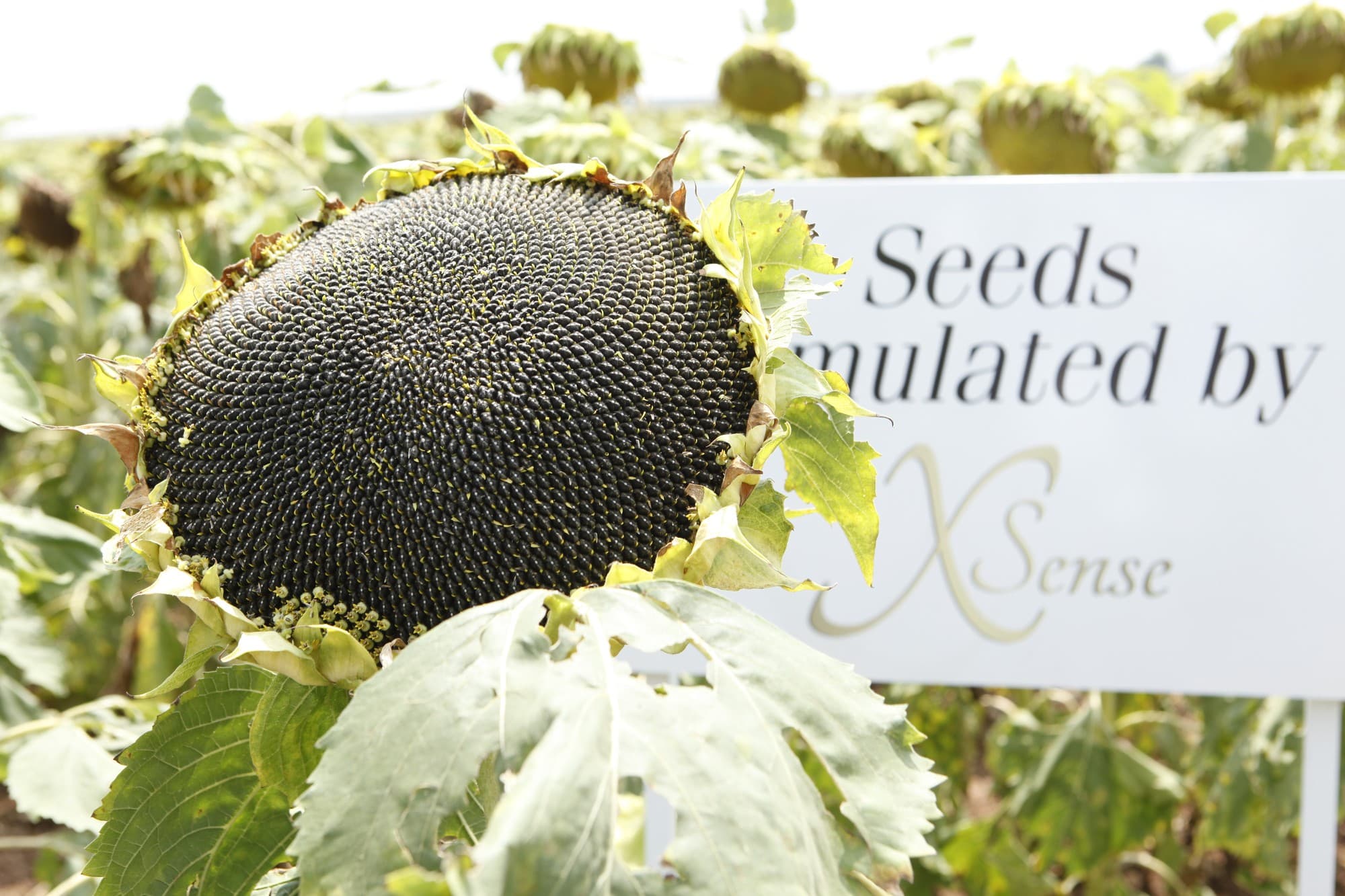
Sunflower application field — archive, June 2013 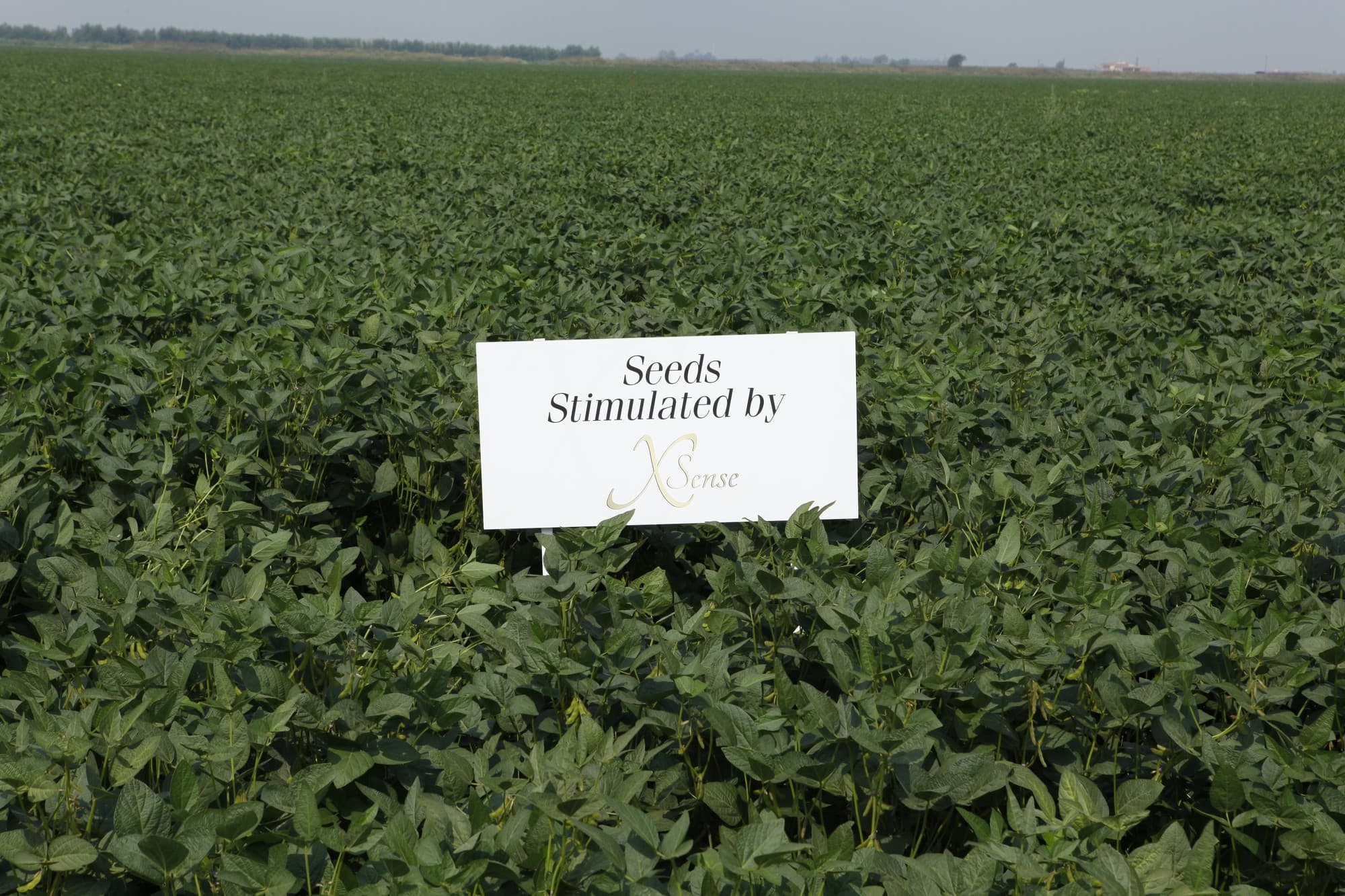
Soybean application field — archive, June 2013 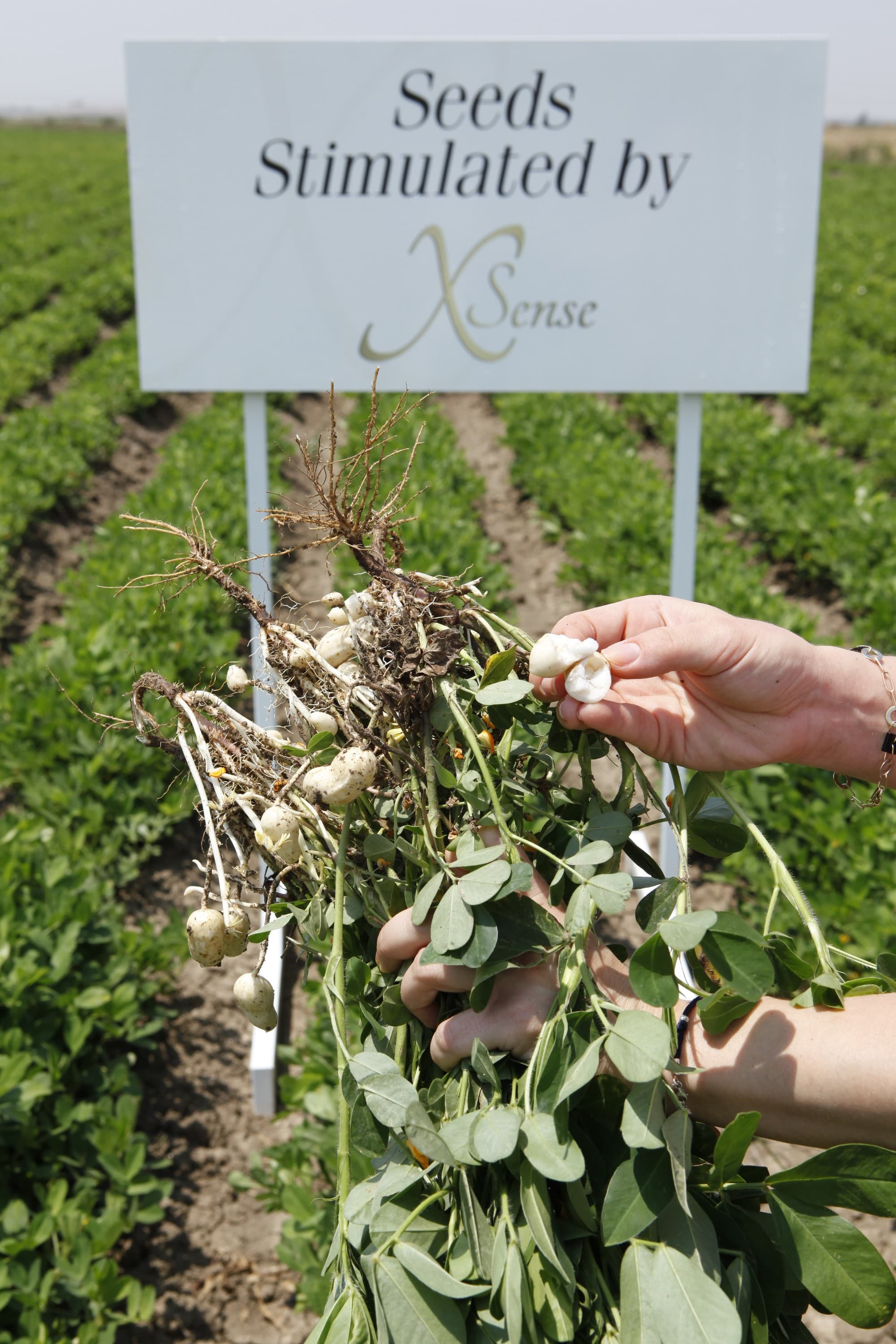
Peanut application field — archive, June 2013 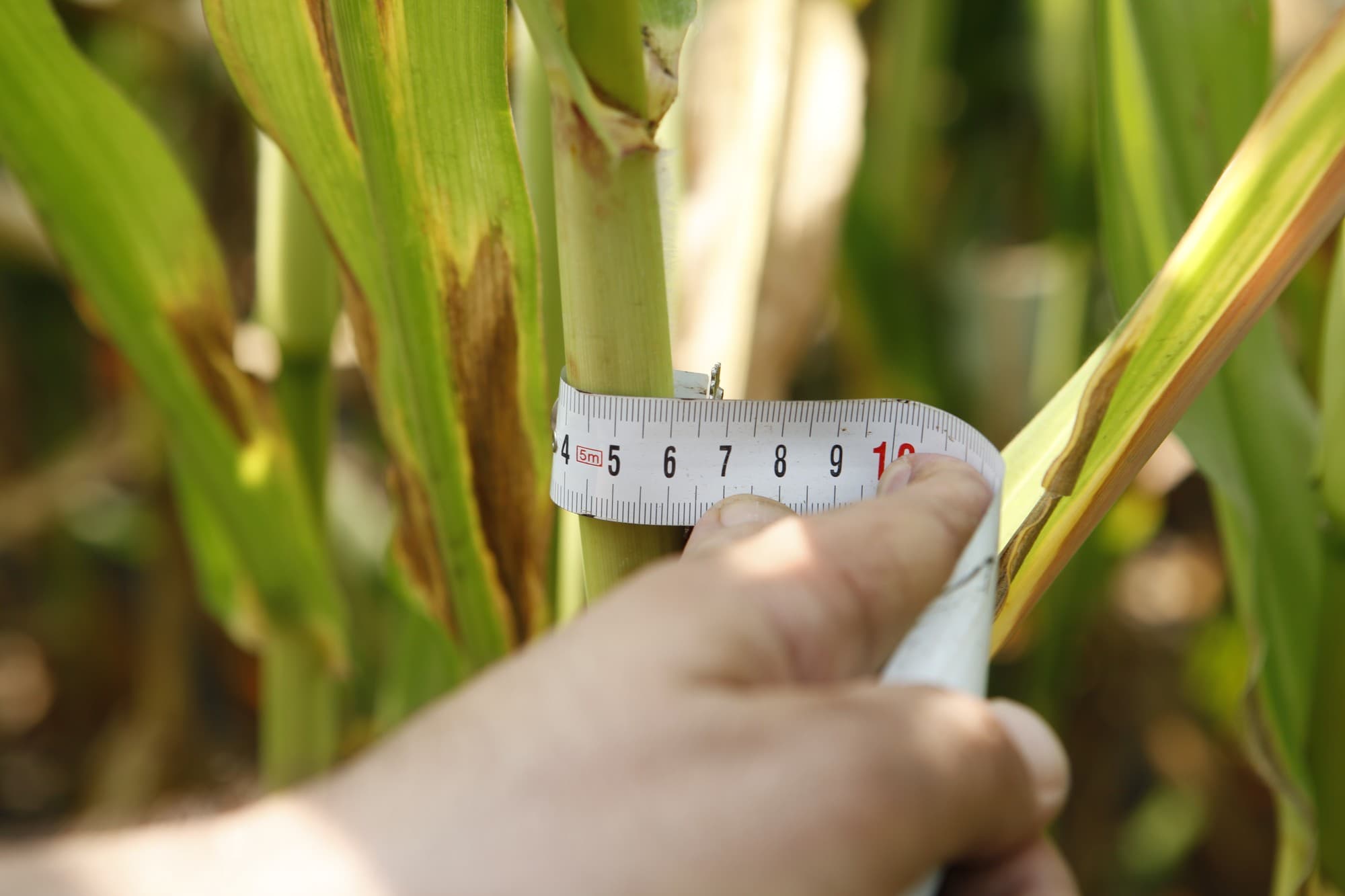
Measuring in the field: maize stem — archive, June 2013 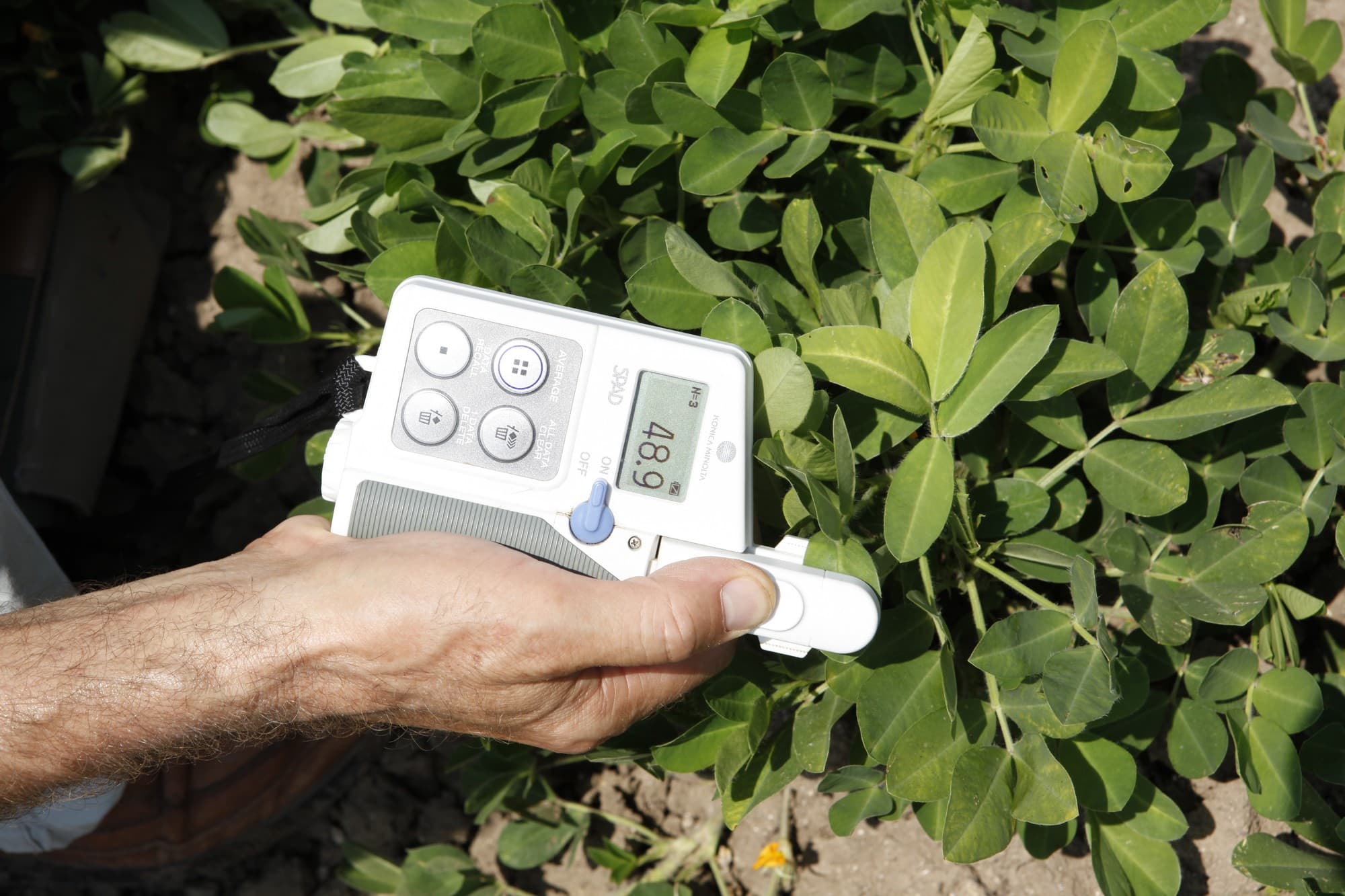
Leaf chlorophyll measurement (SPAD) — archive, June 2013 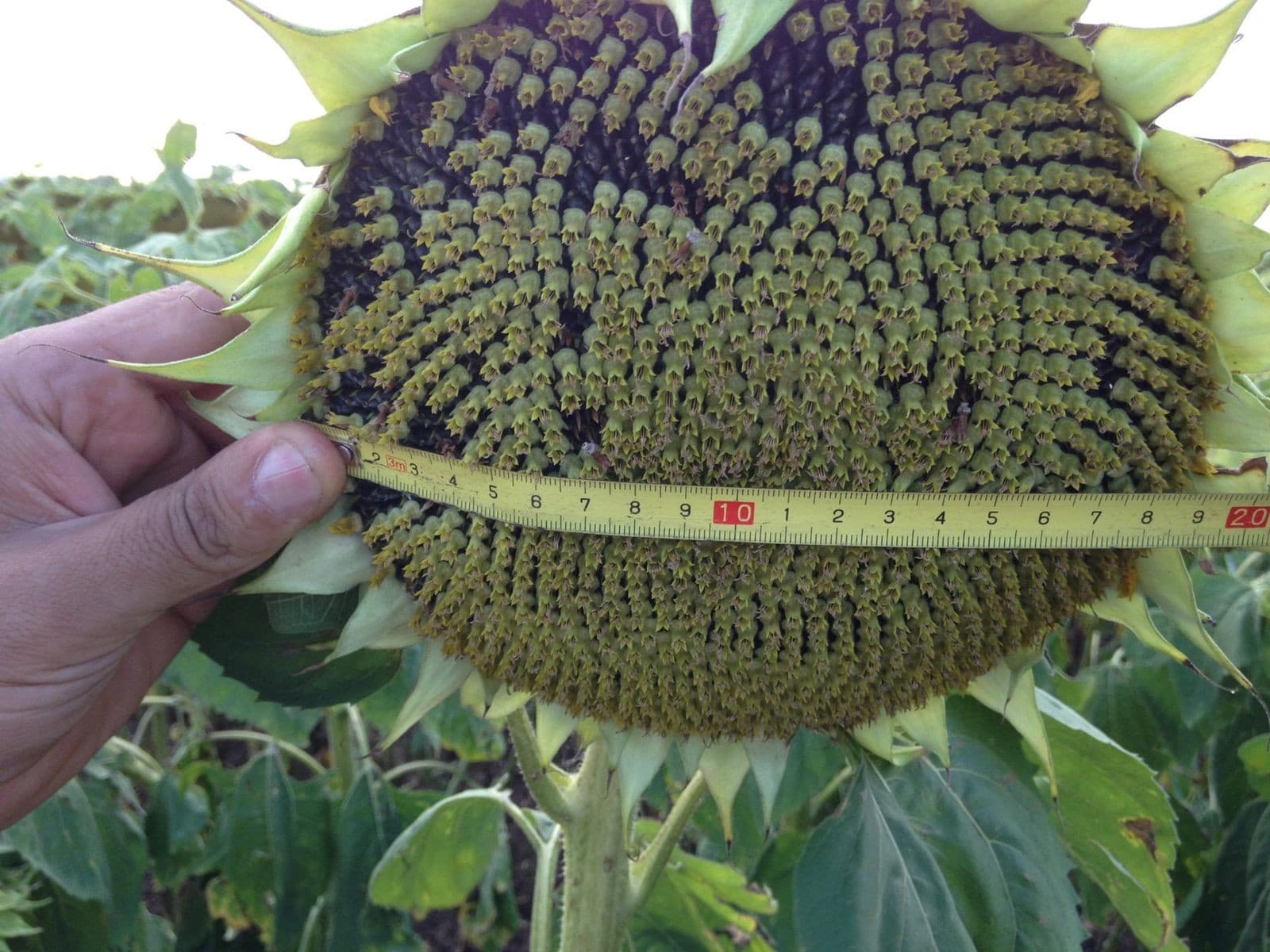
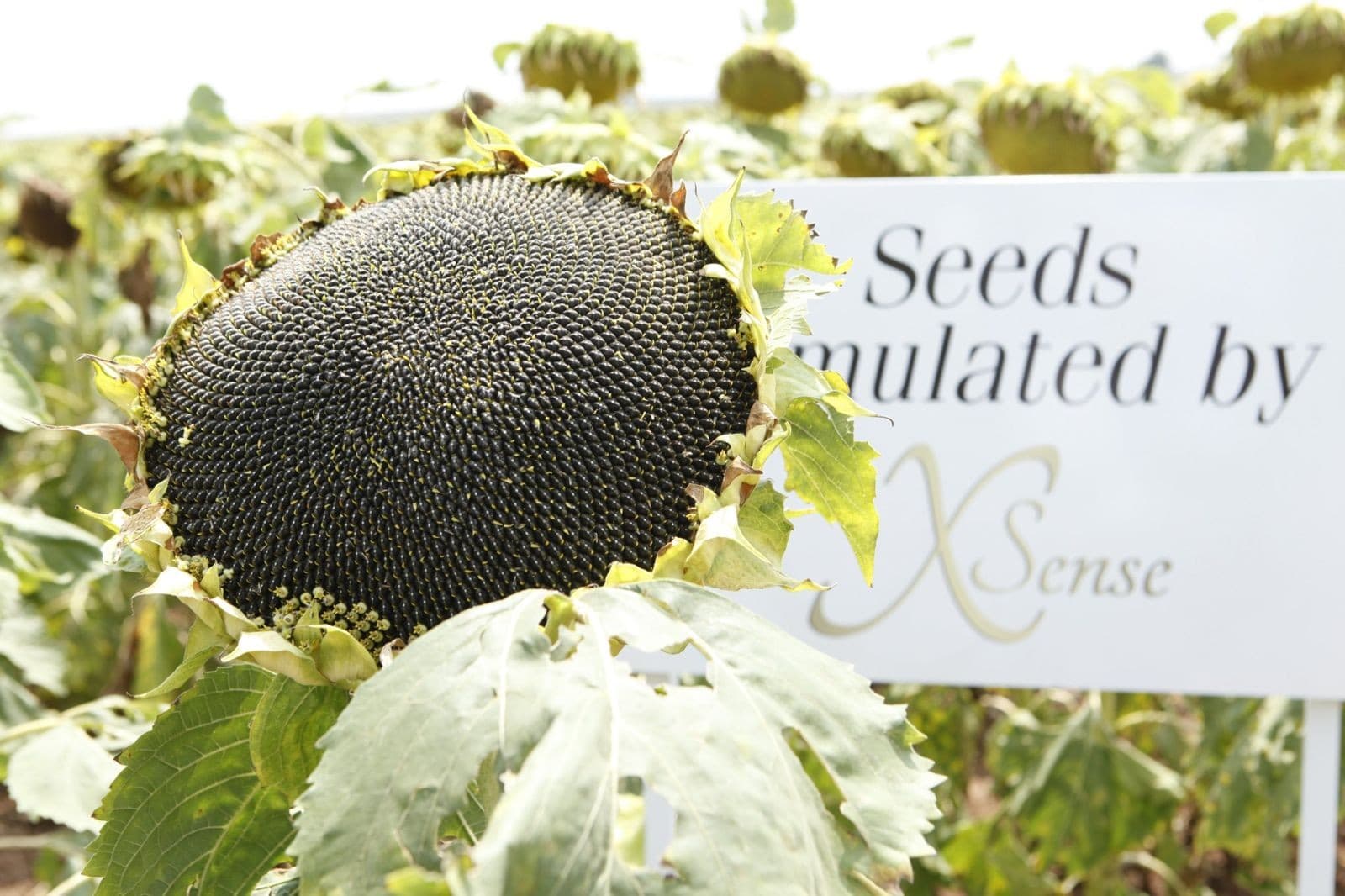
Control: head diameter 20 cm 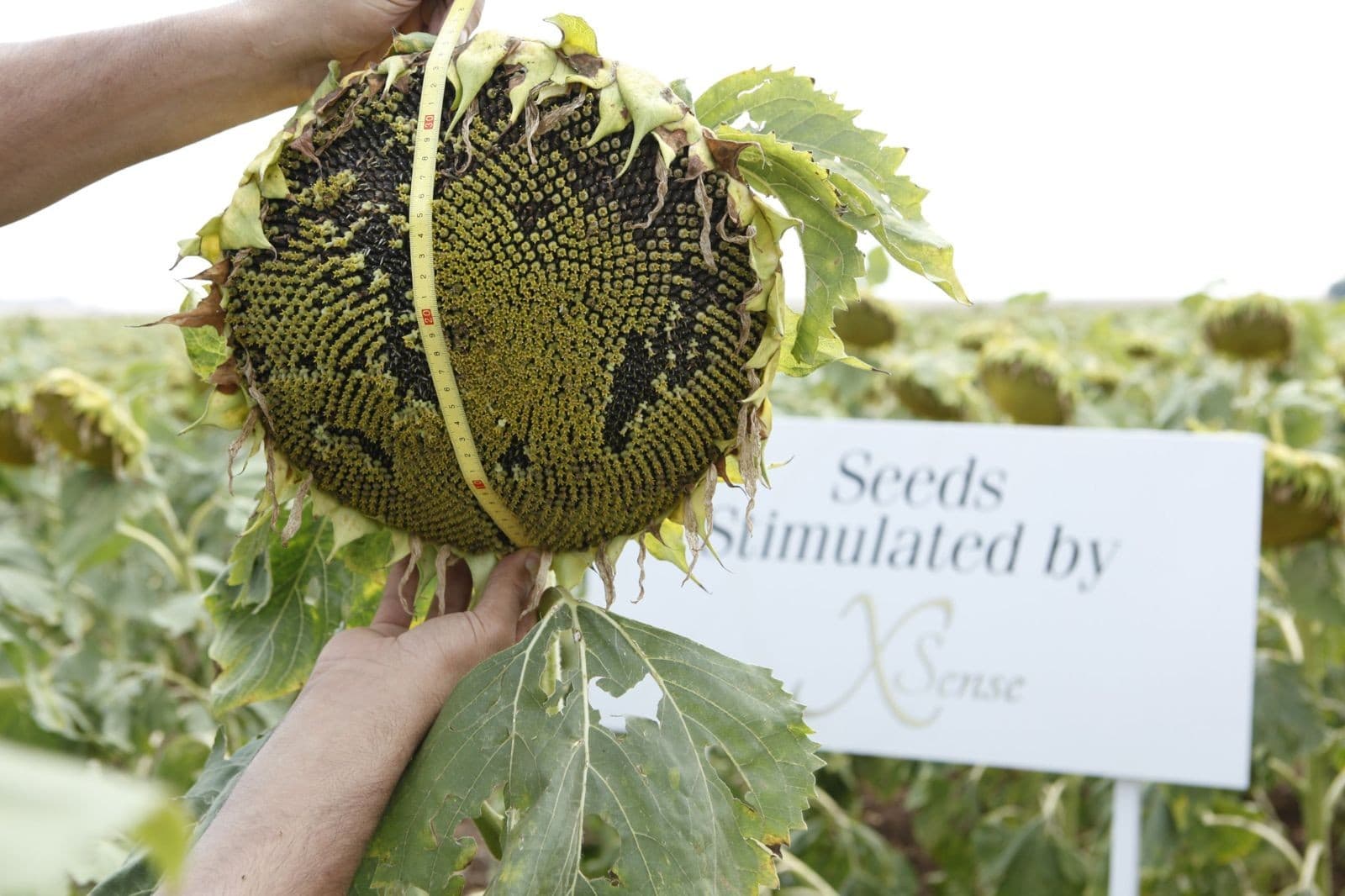
XSense: head diameter 33 cm 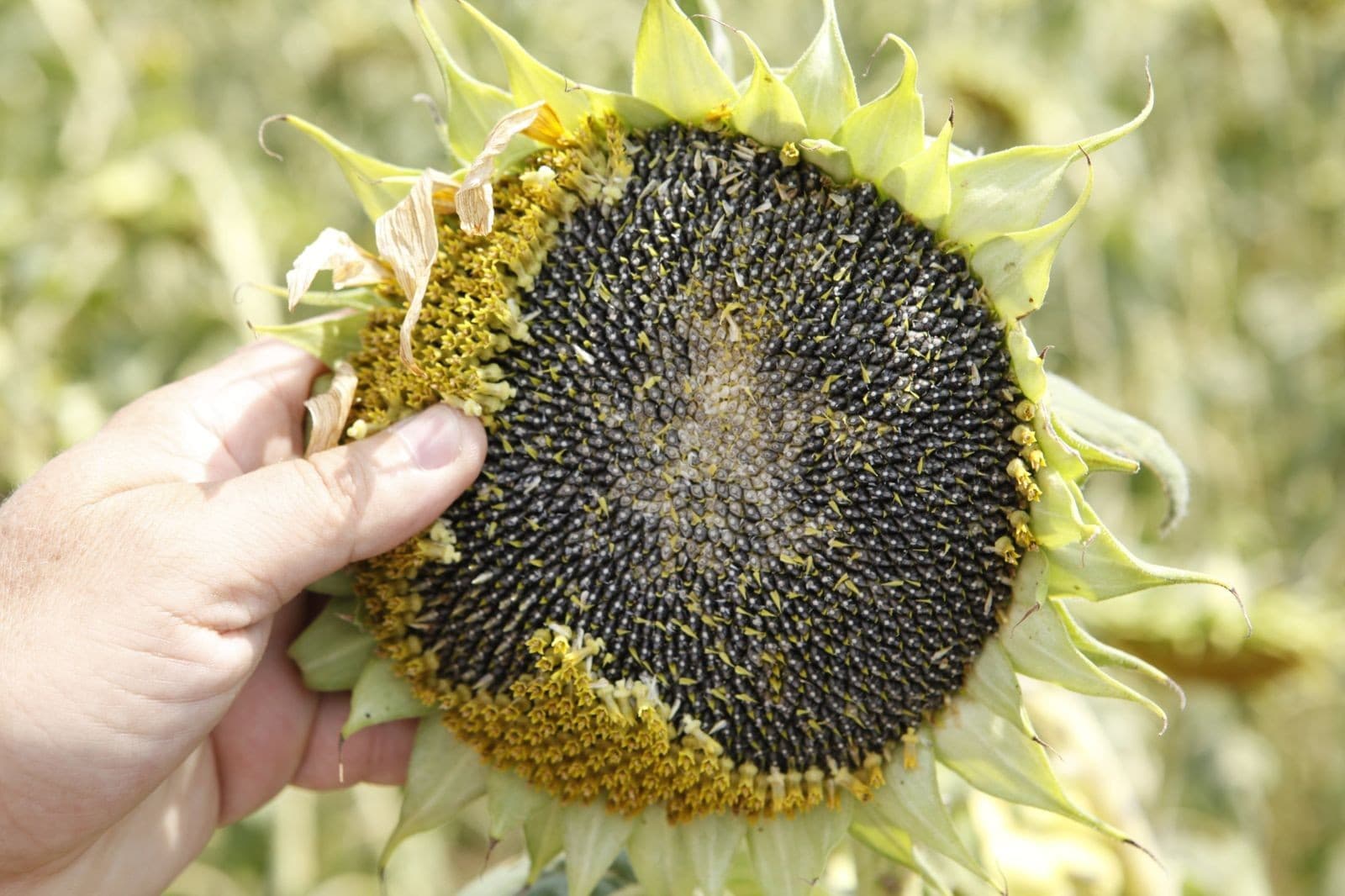
Control: central seeds empty 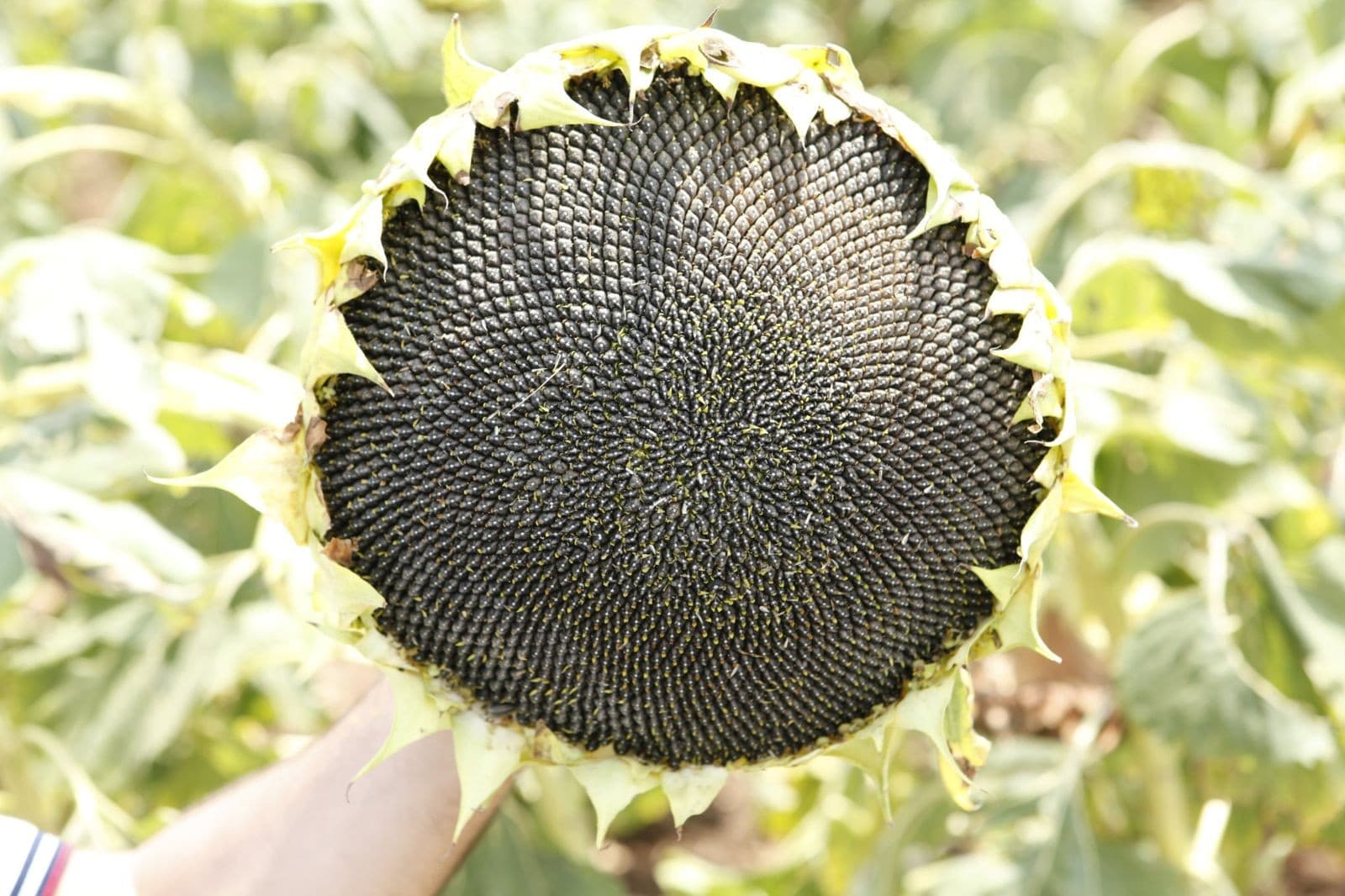
XSense: all seeds filled 
Maize: XSense 2.4 m left, control 1.8 m right 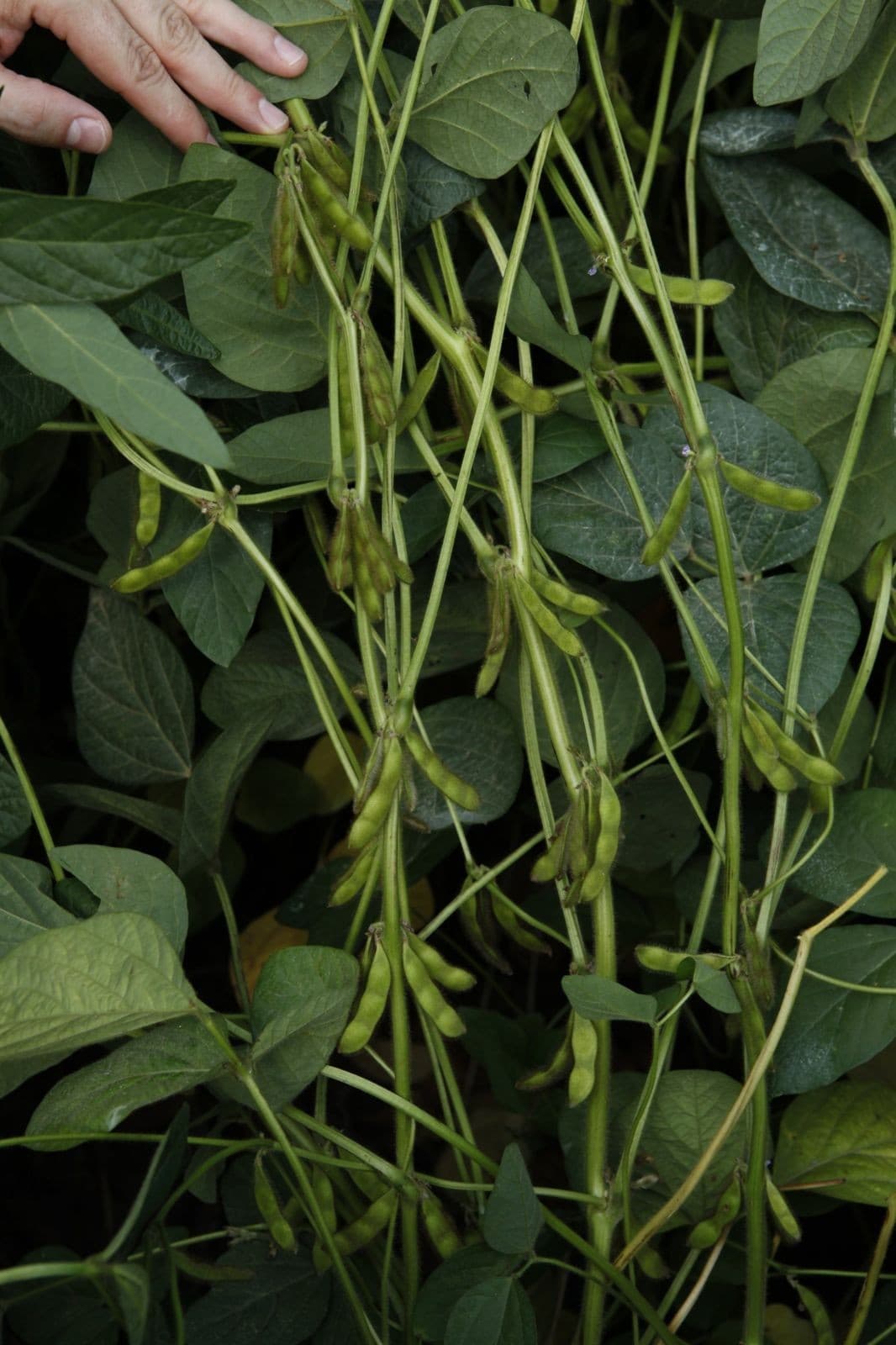
Soybean XSense: 5–6 pods per cluster 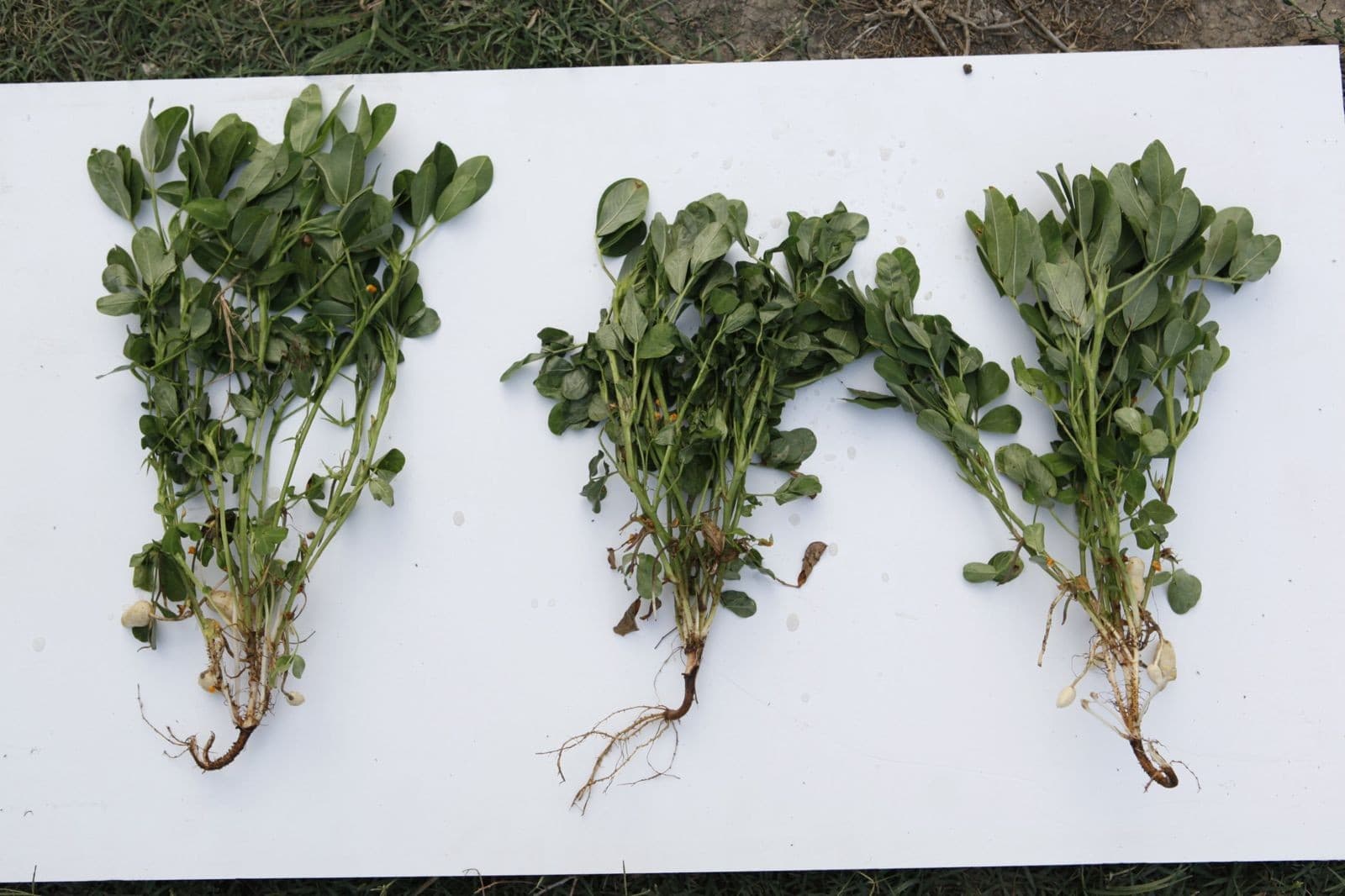
Peanut plants, root and pod development
If you are interested
For current application, trial and distribution options for XSense, apply via the Partnership page; in the first meeting we define your crop, region and measurement method together.