
XSense — field applications, Çukurova
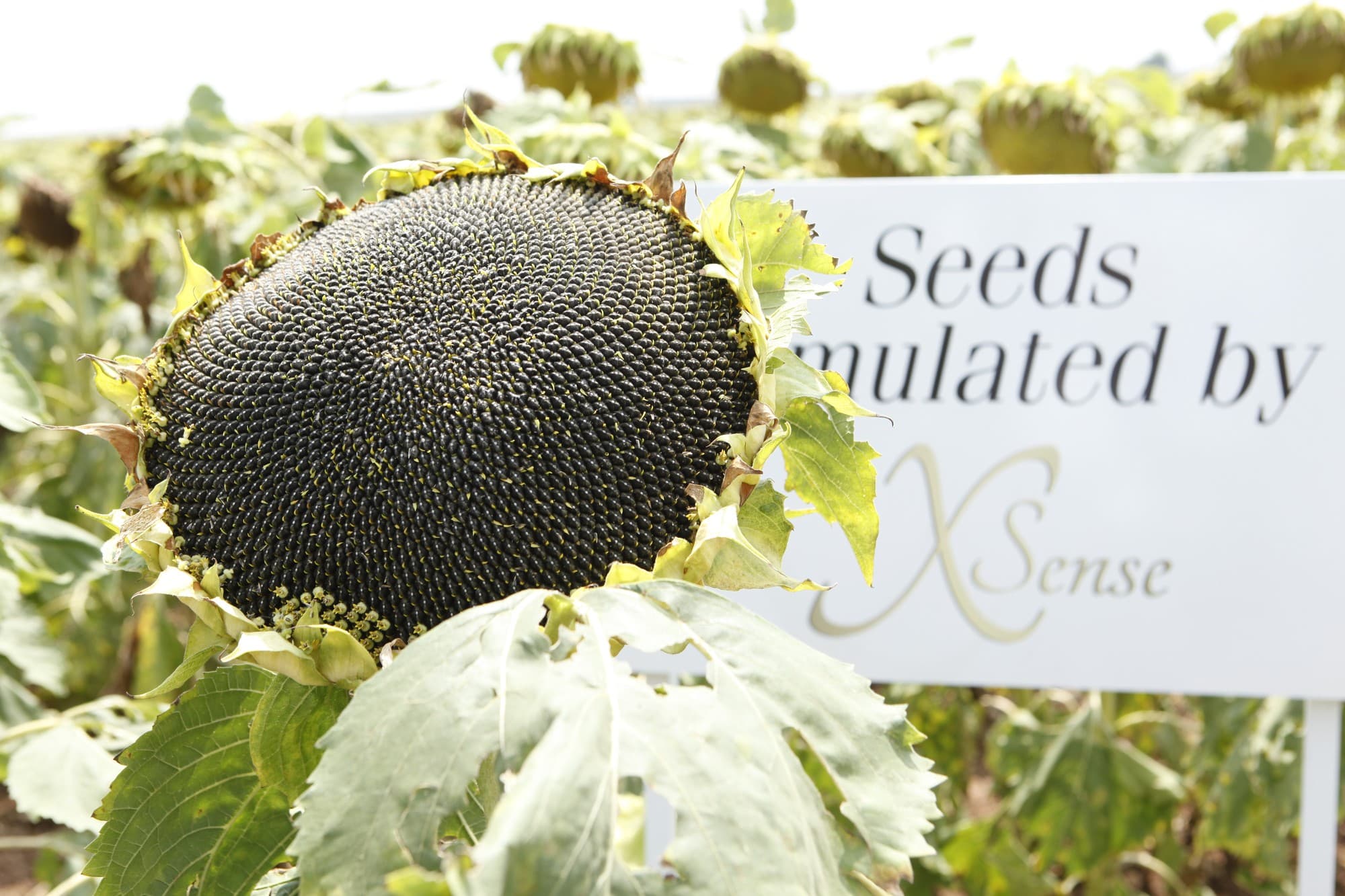
XSense is a pre-sowing seed-stimulation process without genetic intervention. In the 2013 and 2014 seasons it was applied alongside control plots on farmers' fields in Çukurova; observations were made together with academics of Çukurova University's Faculty of Agriculture and the results were recorded in letters of the Seyhan Chamber of Agriculture. In 2014 dose trials were also carried out on the trial fields of three research institutions. Every result on this page is tied to its own field, year and type of comparison.
Project card
- Need
- Drought, imported inputs and falling yields.
- When
- 2013–2014; farmers' fields affiliated with the Adana Seyhan Chamber of Agriculture.
- Role
- Kolacı: technology developer and implementer. Çukurova University: supervision and DNA analysis. Chamber of Agriculture: observation and reporting.
- Application
- Sunflower, maize, soybean; stimulated and control seed side by side. The 2013 Chamber letters refer to a demonstration programme of approximately 3,000 hectares; the company's field records give 756 hectares and 96 application areas (no breakdown by season). The records are presented separately, each with its own source.
- Measure
- Control-group yield comparison (kg/da); single-plant measurements; ISSR DNA marker analysis.
- Result
- Same-season control comparisons in the 2013 Chamber letters (cards above); crop-based results in the 2014 Chamber report (XSense page); yield differences not found statistically significant in the 2014 institute trials; no genetic difference detected in the DNA analysis of the samples examined.
- Limits
- The results in the Chamber report belong to the 2014 season and the fields stated; company records cover two seasons (2013, 2014) but do not give the distribution of area totals by season. Single-plant measurements are not averages; results are not a guarantee for new applications.
- Source
- Seyhan Chamber of Agriculture letters of 21 Aug 2013 and 5 Nov 2013 and report of 14 Nov 2014; ÇÜ DNA reports 1 Nov 2013; 2014 trial reports/tables of DATAE, Trakya ARI and the Sugar Institute; company field records.
Chamber of Agriculture letters, 2013: field-by-field harvest results
The letters of the Seyhan Chamber of Agriculture dated 21 August 2013 (No. 2013/166) and 5 November 2013 (No. 2013/221) report the harvest results of seeds treated under the supervision of Chamber staff and officers in the 2013 season. Most cards give the yields of untreated (control) and treated areas in the same season; for one field there was no same-season control plot, so the comparison is with the field's past yields and is labelled separately. Each card is a separate field; no average is produced by combining cards.
Each row is scaled on its own; rows are not comparable with one another.
Grain maize
Yolgeçen village · 2013
1,2101,464Same season; 100 da control / 700 da treated · SCA 21 Aug 2013, No. 2013/166
Grain maize
Dörtağaç village · 2013
1,0501,365Same season; 52 da control / 165 da treated · SCA 21 Aug 2013, No. 2013/166
Silage maize
Dörtağaç village · 2013
5,2009,700Same season; 5 da control / 11 da treated (green forage) · SCA 21 Aug 2013, No. 2013/166
Silage maize
Zağarlı village, Yüreğir — heavy soil · 2013
No same-season control
Comparison with past yields; there was no same-season control plot. The Chamber letter describes this field as a "special case".
2,0004,3003,5005,600SCA 21 Aug 2013, No. 2013/166
Sunflower
Çakaldere village, Ceyhan · 2013
135290Same season; 40 da control / 160 da treated. Both areas were affected by hail. · SCA 21 Aug 2013, No. 2013/166
Sunflower
Sarıçam · 2013
210290Same season; 40 da control / 37 da treated · SCA 21 Aug 2013, No. 2013/166
Soybean
Çaputçu village · 2013
265352Same season; 85 da control / 85 da treated · SCA 5 Nov 2013, No. 2013/221
Soybean
Gölbaşı village · 2013
360455Same season; 76 da control / 150 da treated · SCA 5 Nov 2013, No. 2013/221
Cotton
Mısırlı farm, Ceyhan · 2013
540648Same season; 163 da control / 100 da treated · SCA 5 Nov 2013, No. 2013/221
Results relate to the stated field, year and application conditions. They do not guarantee the same outcome for other crops or conditions. 1 decare (da) = 0.1 hectare.
The same letters report that the peanut harvest was still under way (no final yield; an observation of "larger kernels") and that the irrigation interval in treated maize was observed as 12–14 days instead of the regional standard of 10–12 days. No water consumption, saving percentage or drought tolerance is derived from this observation. The 2013 Chamber letters refer to a demonstration programme of approximately 3,000 hectares. The company's field records give an application total of 756 hectares. The records are presented here separately, each with its own source.
Chamber of Agriculture observation report, 2014
The report dated 14 November 2014 covers the 2014 season; its table and limitations are on the XSense page. The 2014 report states that the cotton results could not be interpreted reliably because of late sowing and rainfall, and that in wheat two plots were supported with manure so the result cannot be attributed to the technology alone; the favourable cotton result of 2013 does not remove this limitation.
Research institutions' trial fields, 2014
In 2014 replicated trials with five doses and a control were carried out on the trial fields of three institutions. The finding in each institution's own report is summarised below; an institution's name does not imply support, certification or product approval. Later re-evaluations of the raw data at the university are kept as internal sources and are not presented here as institutional findings.
Eastern Mediterranean Agricultural Research Institute (Adana) — grain maize DKC 6590 and silage maize Samada 07; 5 doses + control, 4 replications
Date: 19.11.2014
Finding in the institution's report
Grain yield: control 1,402 kg/da, highest dose 1,524 kg/da; highest green-forage yield in silage maize 8,107 kg/da. The institute did not find the difference between treatments and control statistically significant; all doses fell in the upper yield group. Continuing the trial with more replications was recommended.
Trakya Agricultural Research Institute (Edirne) — oil sunflower 08-TR-003; 5 doses + control, 4 replications
Date: 26.09.2014
Finding in the institution's report
Seed yield: control 285.2 kg/da; highest dose 324.8 kg/da (Dose 5), second 321.6 kg/da (Dose 2). The difference between treatments was not significant at the 5% level in the analysis of variance; oil content 45–51%.
Sugar Institute of Türkiye Sugar Factories (Etimesgut, Ankara) — sugar beet Pauletta; treated and untreated seed series, 5 doses + control, 4 replications
Date: 2014
Finding in the institution's report
The institute's yield and quality measurements (root yield, sugar content, sodium, potassium, harmful nitrogen, dry matter) were provided to the company as raw tables. As the institute's own result assessment is not available to us, no percentage for this trial is given on this site.
Genetic make-up: ISSR DNA analysis, 2013
Three ISSR DNA marker analyses dated 1 November 2013, carried out by a faculty member of the Department of Field Crops, Faculty of Agriculture, Çukurova University, reported that no genetic difference was detected, within the method used, between treated and control plants in the sunflower, maize and soybean samples examined. The results are limited to the samples examined and the analysis method; they do not amount to a whole-genome scan, the exclusion of all mutations or a general safety statement.
Measurement and observation in the field
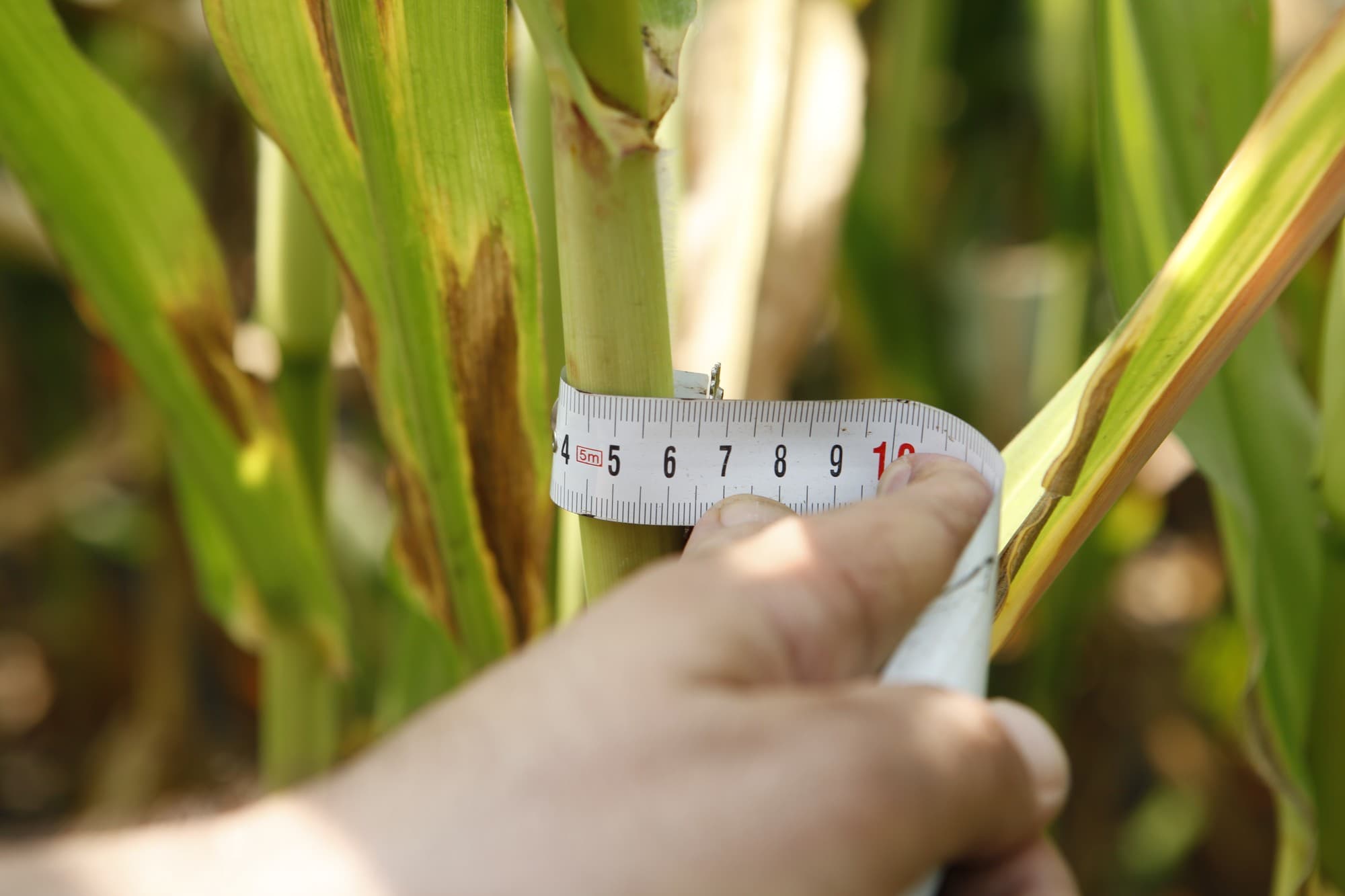
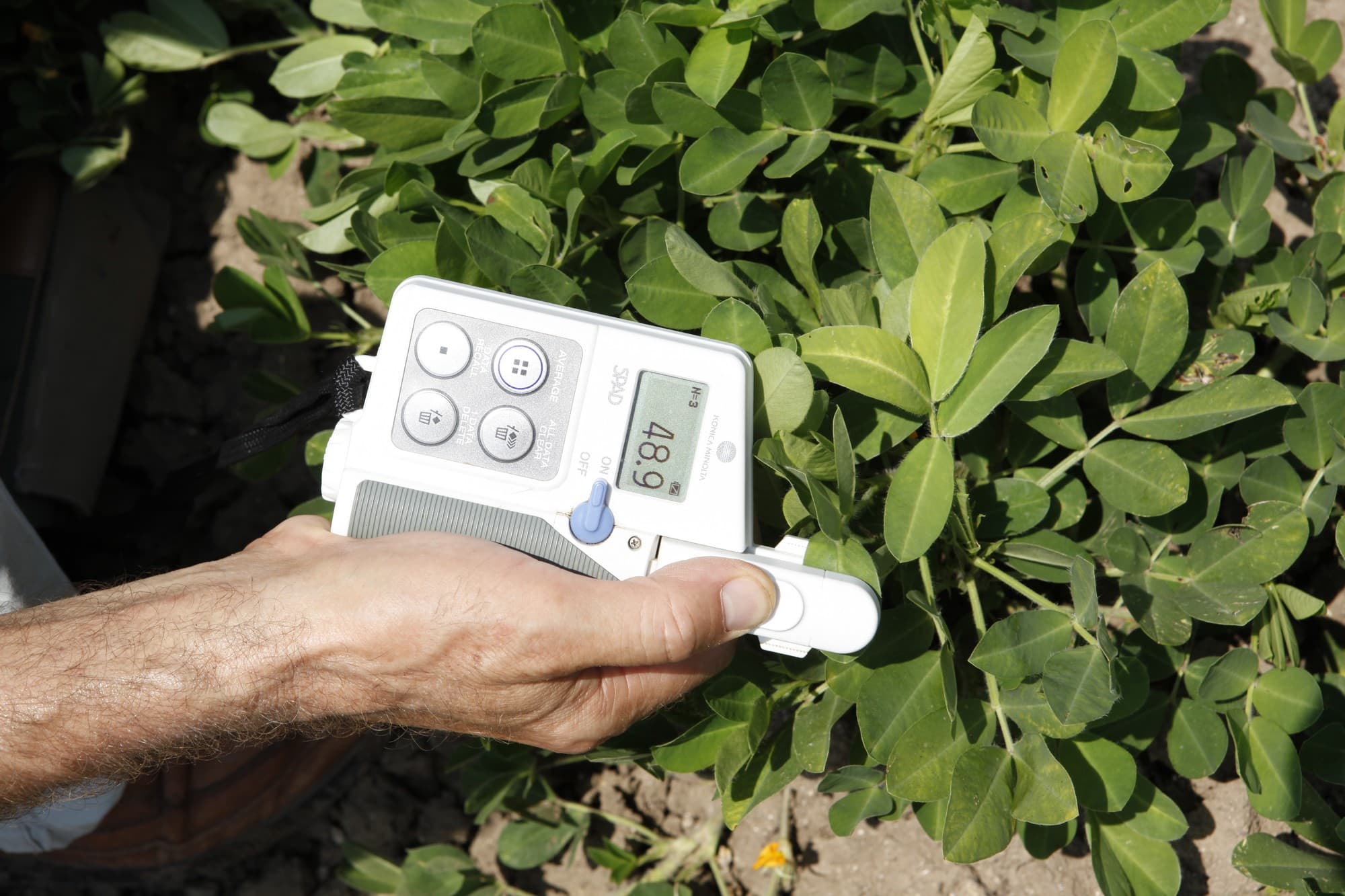
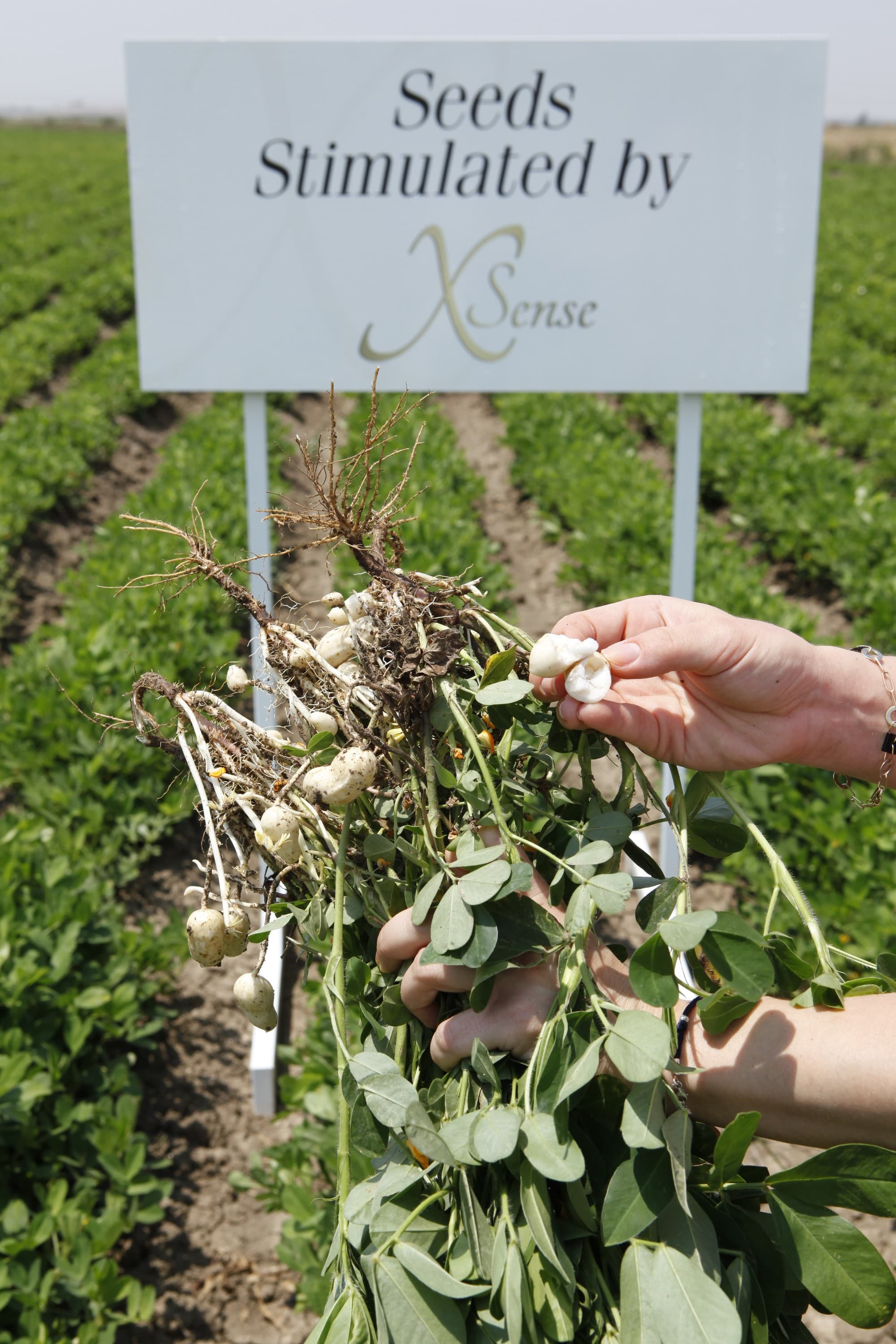
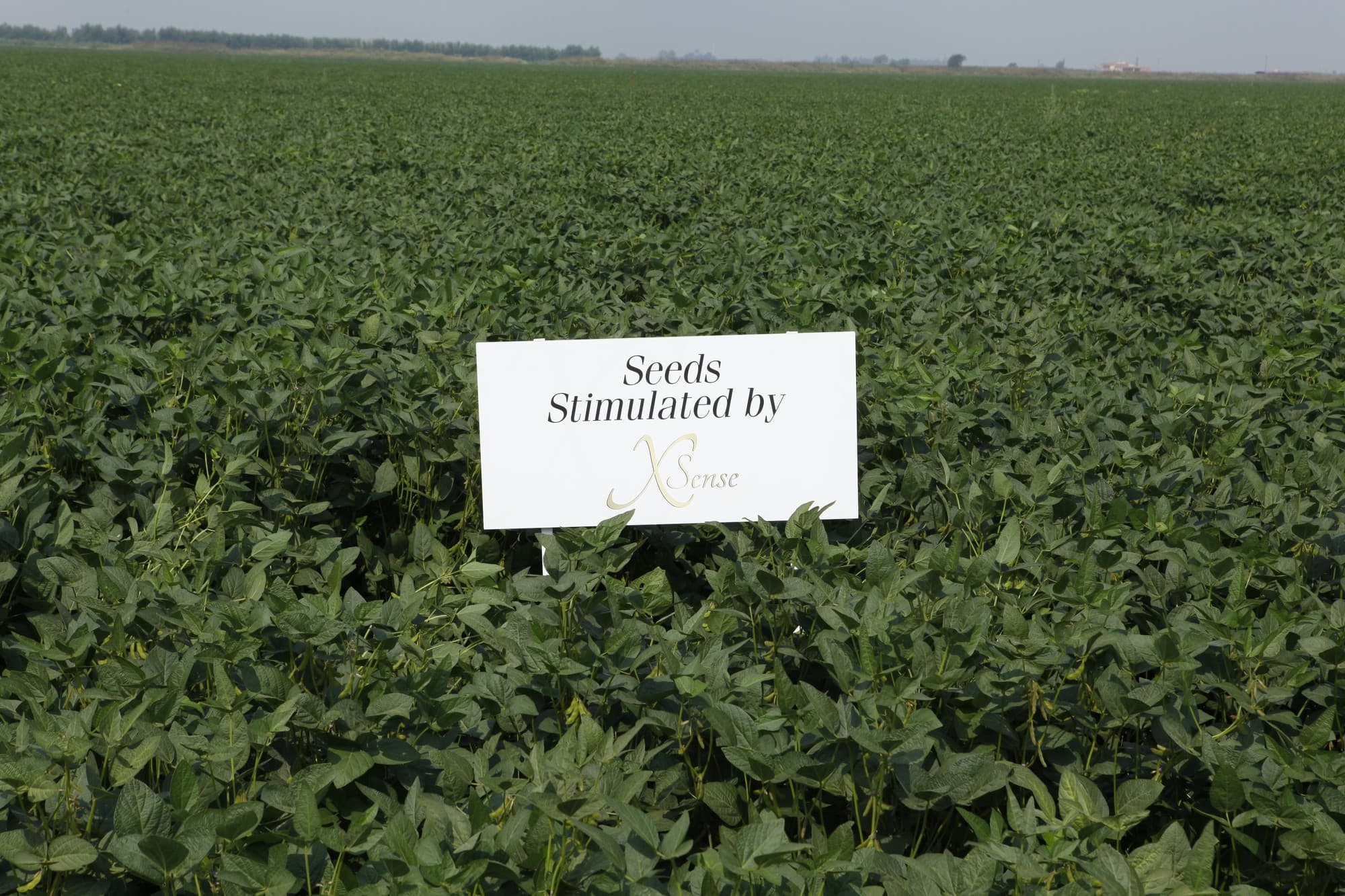
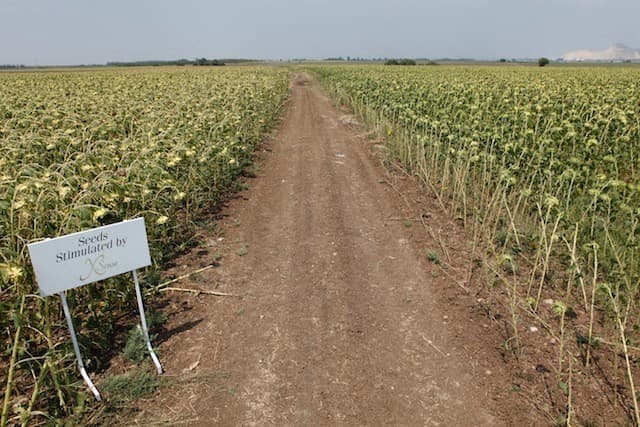
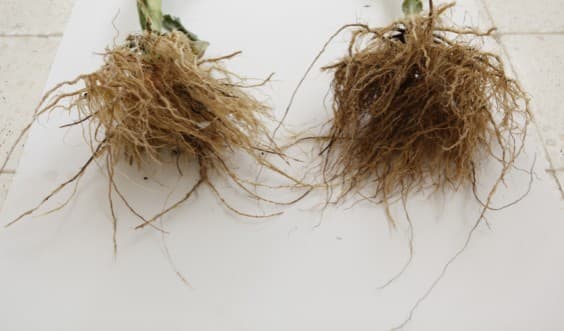
Frames taken in June 2013 show the measurements made during the observation period: stem and head measurements, leaf chlorophyll (SPAD) readings and root observations. The photographs show the method; the evidence of field yield is the harvest results in the Chamber letters.
What can we make possible together?
Write to us to develop a solution to a problem in your organisation, to take your idea forward together, to bring technology into your product or to carry suitable solutions to new markets. No technical specification is needed to start; in the first meeting we clarify the need together.